How does an AI detector judge a picture?
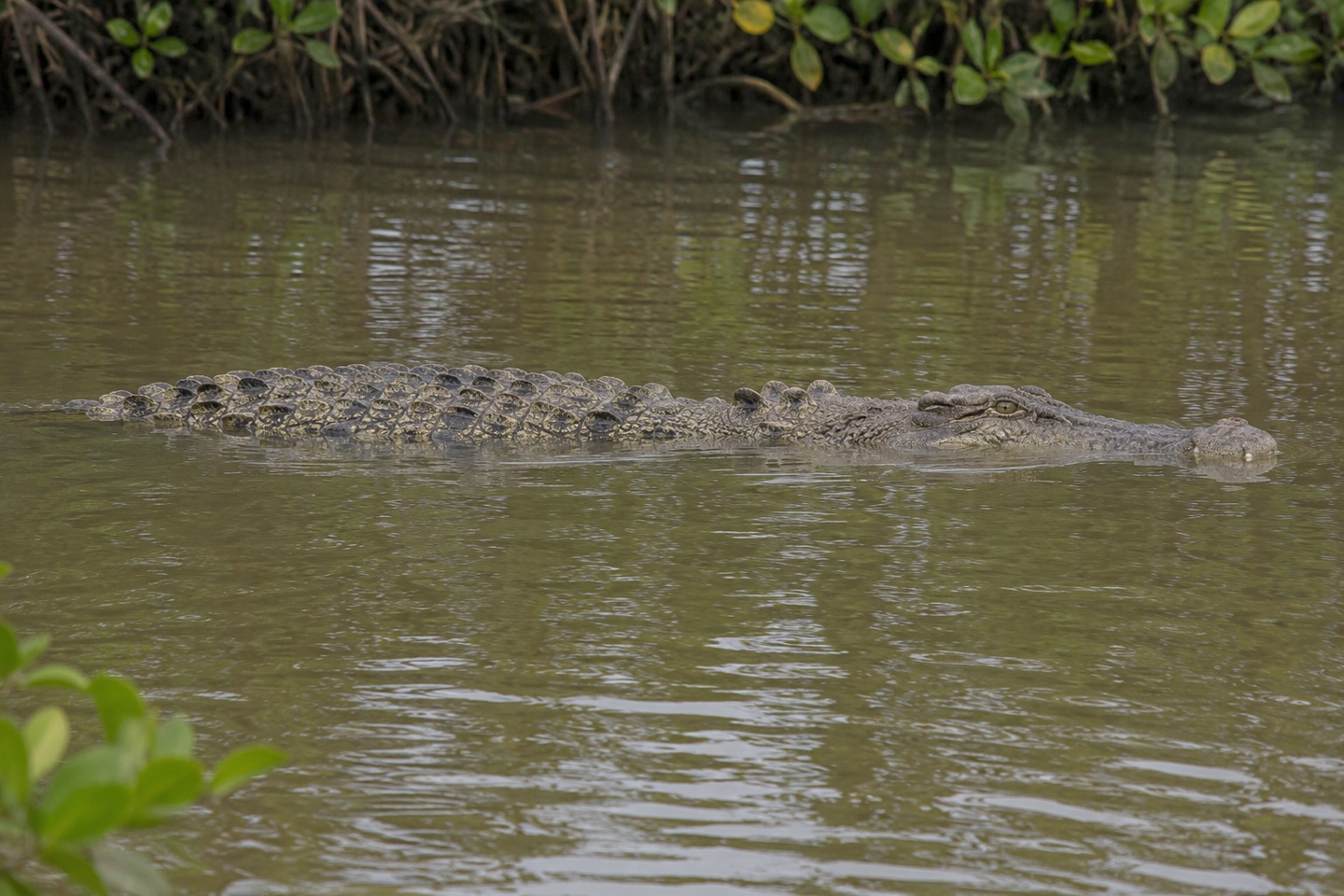
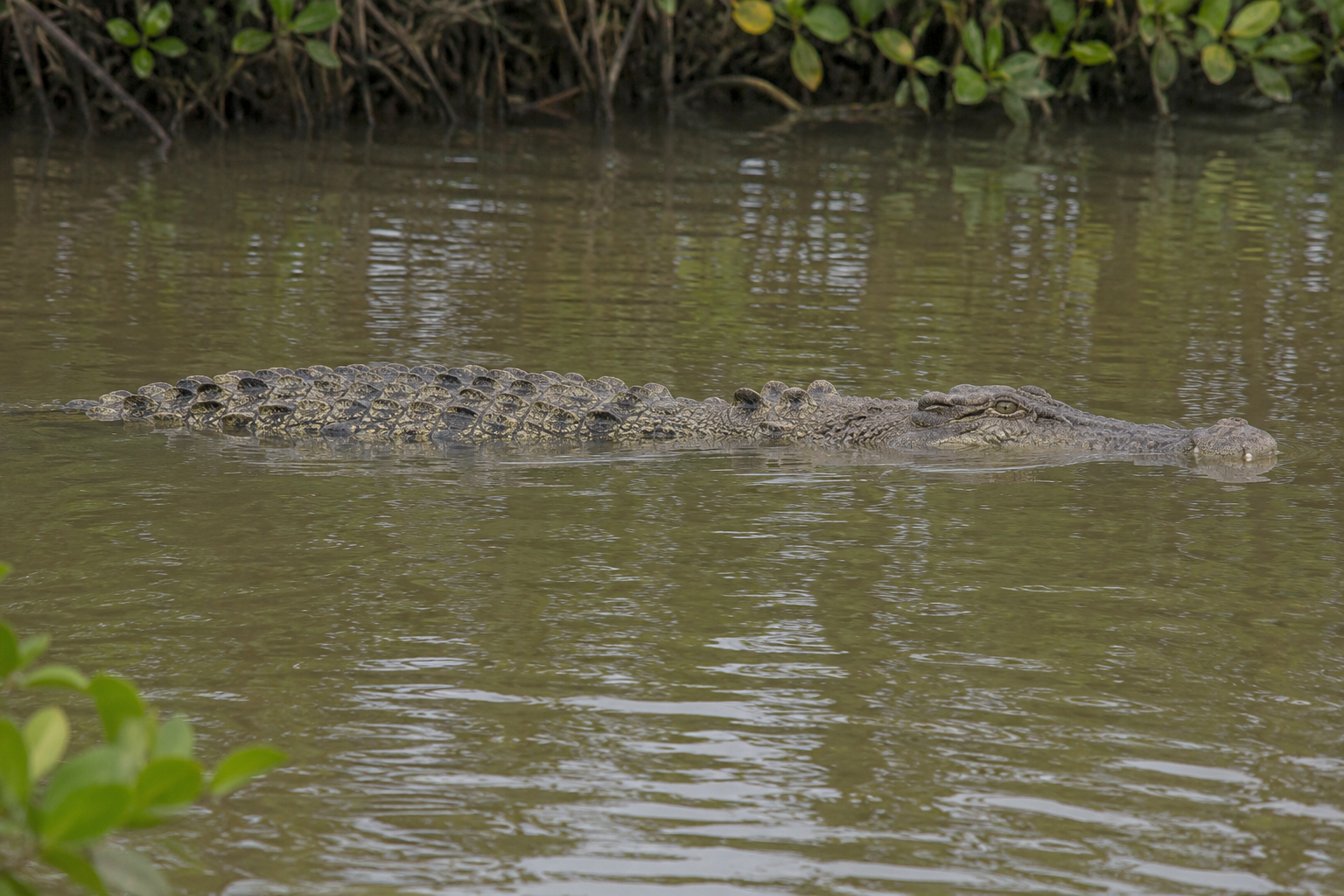
PROBE is a state-of-the-art AI image detector. It is trained on examples of real photos and AI-generated images. It scores eight squares in our crocodile picture and averages their scores to reach a verdict. Try square 6 on the crocodile’s back. PROBE correctly identifies it as AI-generated. Then try the four squares across the top. PROBE gives the reflections in all four low scores, putting them in its “real photo” range. Those scores pull down the average so far that it wrongly labels the whole AI-generated picture a real photo.[6][2]
Would a different detector work better?
Select a detector to see how it examines the same two pictures. The six tools we tested here used different methods, but every one of them missed our AI-generated crocodile.[7]
Read how all six detectors work
- PROBE
- PROBE scores each complete square of 336 by 336 pixels. It averages those scores, giving every square equal weight. A positive average gives an AI verdict.
- Smaug
- Abacus.AI’s detector scored three overlapping views of each picture, then averaged the three scores. The views covered the left, middle and right of our landscape images.
- OpenFake SwinV2
- This model learned from photographs and generated images in a collection called OpenFake. It shrank each quiz image to 256 by 256 pixels and compared patterns across nearby patches to give one score for the scene.
- Detectra v3
- Detectra scored one square from the centre. Its training included paintings and screenshots alongside real photos, so it had also seen unusual-looking images made by people.
- Detectra OpenFake
- This version of Detectra trained on more examples, including images resized and saved as JPEGs. It can examine a closer crop when the first score leaves room for doubt. On both quiz images it stopped after the first crop.
- Peak-Guided Calibration
- This model examined the middle 224 by 224 pixels of each file. It gave extra weight to the strongest local patterns in colour and texture when scoring that patch.
Could the generator have left a record?
The detectors had only the pixels to go on, so they had to work backwards from the finished picture to figure out how it was made. The file we downloaded from ChatGPT also contained a record signed by OpenAI that identified the picture as AI-generated. When we saved a copy for this page, the software left that record out. Could the generator put that information into the picture itself as an invisible watermark?[8][9]
Original PNG
- Created with
- ChatGPT
- Origin recorded
- AI-generated
- Signed by
- OpenAI Media Service
Web JPEG
- Embedded creation record
- None found
How does an invisible watermark work?
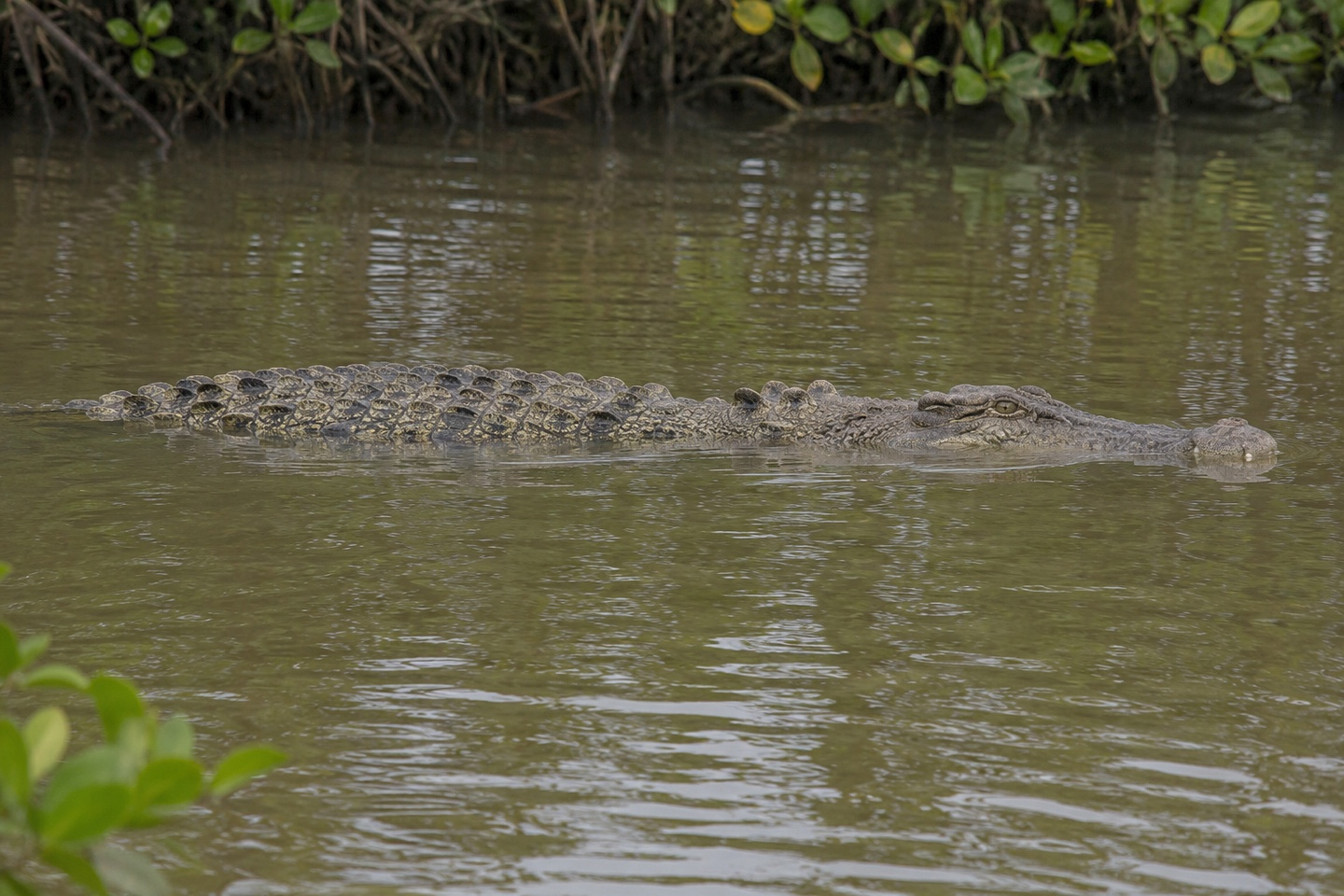
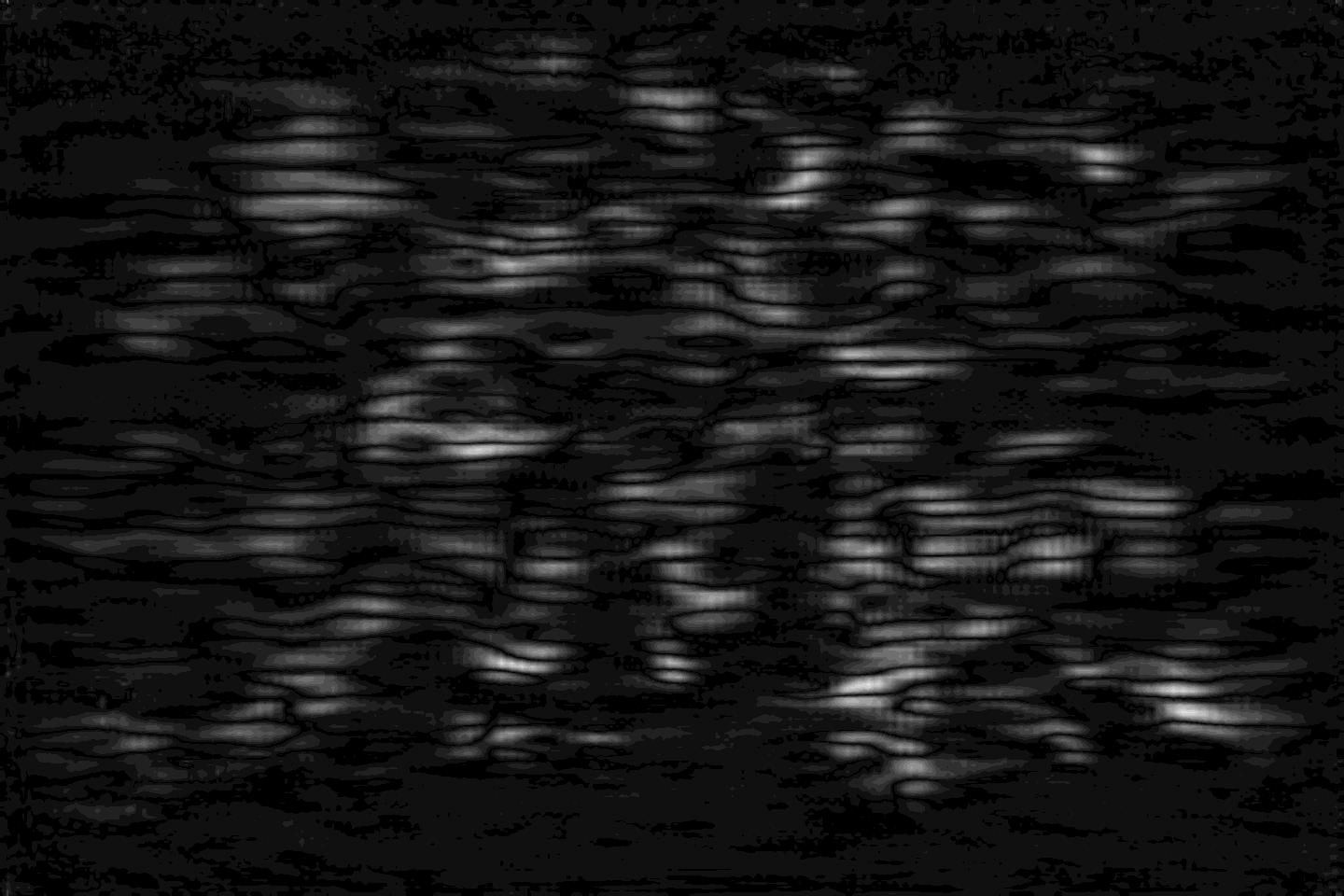
TrustMark is a watermarking tool from Adobe. Its encoder hid the words “AI IMAGE” in a copy of our crocodile picture by making tiny changes to the colours of the pixels. When we gave the marked picture to its decoder, it read the words back without needing the original.[10][11]
Compare the original and the watermarked copy, then choose “Pixel changes” to see where the encoder changed the colours.